
The Ultimate Rental Car Smoking Fee Dispute Guide: Fight Back & Win
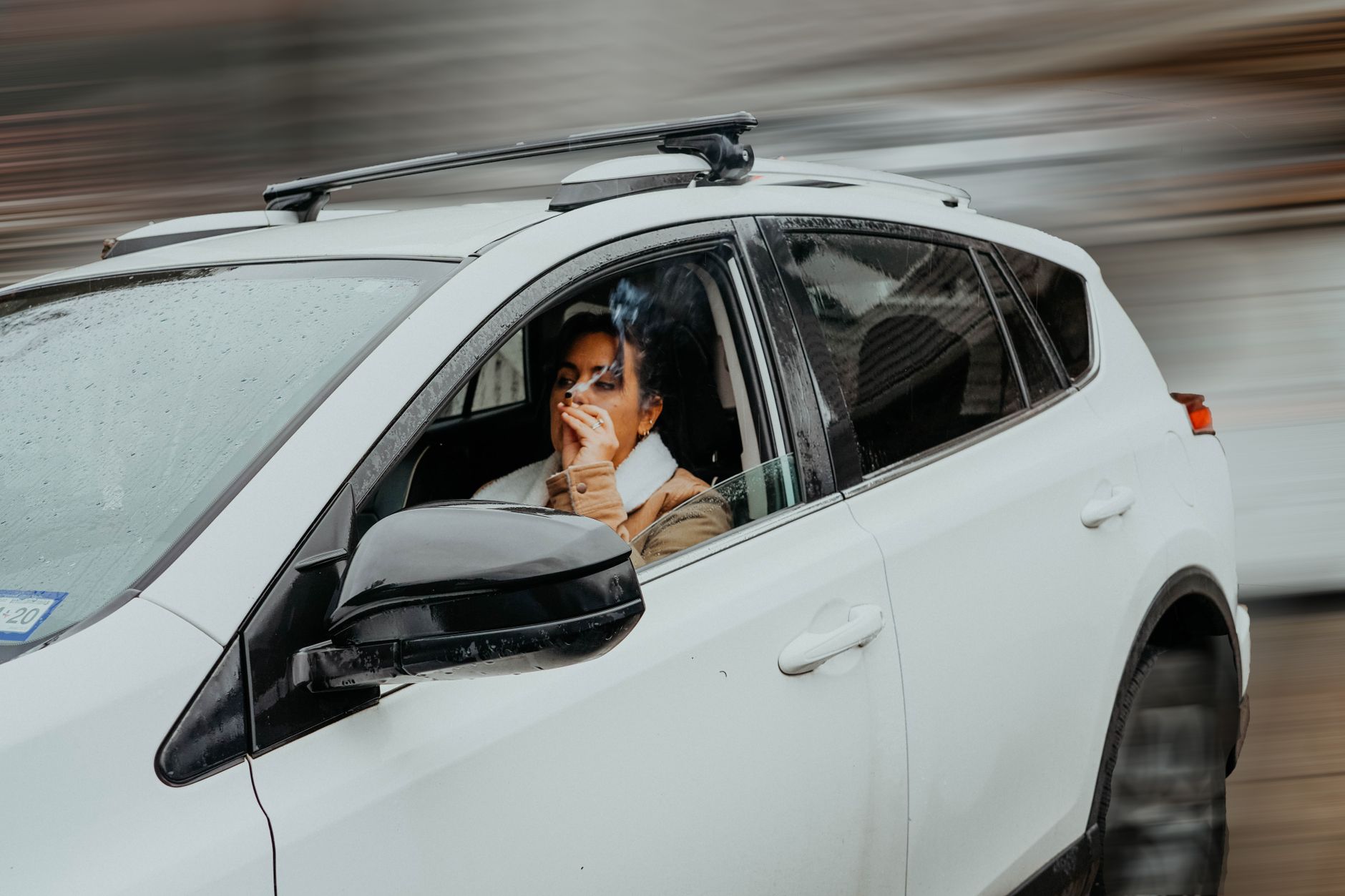
With rental car companies cracking down harder than ever on post-pandemic fleet cleanliness—some now using AI-powered odor detection scanners at return lots—travelers are getting hit with surprise smoking fees at record rates. If you’ve just discovered a $250, $450, or even $800 charge on your credit card statement weeks after returning a vehicle, you need a solid rental car smoking fee dispute guide to fight back effectively. These charges often appear without warning, photographic evidence, or prior notification, leaving you scrambling to prove you didn’t light up in a car you returned days ago.
The good news? These fees are disputable, and renters are winning chargebacks at increasing rates—provided they know exactly what documentation to gather and which arguments actually work with credit card companies and corporate customer service departments.
Why Smoking Fees Are Skyrocketing in 2026
Rental agencies have turned cleaning penalties into a significant revenue stream. What started as a $50 “refresh fee” a decade ago has ballooned into standardized charges ranging from $250 for minor odor removal to $800 for “biohazard-level” detailing. Enterprise, Hertz, and Avis now employ third-party inspection companies that photograph vehicles immediately upon return, creating a paper trail designed to justify these charges.
The problem? Many of these fees are assessed automatically or based on subjective smell tests rather than concrete evidence. Some locations flag vehicles simply because the previous renter smoked, leaving residual odor that clings to upholstery despite cleaning. Others mistake vape scent, heavy perfume, or even fast food smells for tobacco smoke. Understanding this context is your first weapon in any rental car smoking fee dispute guide strategy—you’re often fighting an algorithm or an overzealous lot attendant, not documented proof.
Immediate Steps to Take When Charged
Time is critical when disputing these fees. Most credit card issuers require dispute filing within 60 days of the statement date, but you’ll want to move much faster.
Document everything immediately:
- Request the “Vehicle Condition Report” (VCR) from the rental company within 24 hours of noticing the charge
- Ask for timestamped photos of the vehicle’s interior at return
- Demand the specific cleaning invoice or third-party assessment that justifies the fee amount
- Check your rental agreement for the exact smoking policy language (some require “evidence of smoking,” others just “odor”)
Gather your counter-evidence:
- Photos you took at pickup and return (always snap the interior, even if it looks clean)
- Receipts showing you were elsewhere when the smoking allegedly occurred
- Statements from travel companions confirming no smoking occurred
- Your rental history showing a clean record with the company
If you didn’t smoke in the vehicle, do not accept a “courtesy reduction” of the fee. Rental agents are often trained to offer 50% off to close the dispute quickly, but paying any portion admits guilt and makes future disputes harder.
How to Build a Winning Dispute Case
Credit card companies side with renters in smoking fee disputes approximately 40-60% of the time when proper documentation is provided, according to 2026 consumer advocacy data. The key is treating this like a legal case rather than a customer service complaint.
Challenge the evidence chain: Rental companies must prove you caused the damage, not just that damage existed. Ask these specific questions in your dispute letter:
- Was the vehicle inspected in my presence at return?
- Is there a gap between my return time and the inspection time?
- Are there photos showing ash, burns, or cigarette butts (not just “odor”)?
- Did anyone else drive the vehicle between my return and the inspection?
Attack the fee structure: Many smoking fees violate state consumer protection laws because they’re punitive rather than restorative. In California, for instance, cleaning fees must reflect actual costs. A $450 charge for “ozone treatment” that actually costs the company $80 is potentially illegal. Request an itemized breakdown of the cleaning costs. If they can’t provide receipts showing actual expenditures, the fee is often unenforceable.
The “previous renter” defense: If you picked up the car and noticed a smoke smell immediately but didn’t report it, you might assume you’re stuck. Not true. If you have timestamped photos from pickup showing the car’s condition, or if you mentioned the smell to the lot attendant (get their name!), you can argue the damage predates your rental. This is why documenting pre-existing conditions is crucial, even for “invisible” issues like odors.
Preventing False Smoking Charges
The best dispute is the one you never have to file. Protect yourself before you drive off the lot with these preventive measures:
At pickup:
- Explicitly ask the agent to note “no smoke odor” on the contract if the car smells clean
- If you detect any odor, request a different vehicle immediately—do not accept “we’ll note it in the system” promises
- Take a video walkthrough that includes the interior, narrating the condition and date/time
During rental:
- Never allow smoking in the vehicle, even with windows down—odor molecules embed in headliners and AC systems
- Be cautious with vapes and e-cigarettes; many companies now classify these under smoking prohibitions
- Avoid transporting heavy smokers who might transfer odor from their clothing to seats
At return:
- Return the car during business hours and request a joint inspection
- Get a signed receipt stating “no damage or odor observed” before leaving the lot
- If returning after hours, take extensive video showing the car’s condition and the fuel gauge/mileage
When to Escalate Beyond Customer Service
If the rental company refuses to budge and your credit card dispute fails, you have nuclear options. File complaints with your state’s Attorney General consumer protection division and the Better Business Bureau. These agencies often mediate resolutions that frontline customer service cannot.
For fees under $500, small claims court is surprisingly effective. Rental companies rarely send representatives to contest minor claims, resulting in default judgments for consumers. The filing fee is typically $30-$75, and you can often recover that too if you win.
Social media escalation works, but strategically. Rather than tweeting angrily at the brand, send a polite but firm direct message to their corporate social media team with your case number. Companies monitor these channels closely for reputation management and often have authority to reverse charges that local managers claim are “non-negotiable.”
Conclusion
Navigating a rental car smoking fee dispute guide successfully requires speed, documentation, and persistence. As rental fleets continue to tighten cleanliness standards and automated inspection technology becomes more prevalent, these charges will likely become more common—not less. Remember that you have significant consumer protections on your side, and rental companies count on most travelers simply paying the fee to avoid hassle.
Don’t be that traveler. Document your rentals meticulously, challenge vague charges immediately, and escalate to credit card disputes when necessary. With the strategies outlined here, you can protect your wallet from unjustified cleaning fees and keep your travel budget intact for the adventures that actually matter. Safe travels, and keep those windows rolled up—metaphorically speaking, of course.