
Rental Car Snow Chains Requirement: What Winter Travelers Must Know in 2026
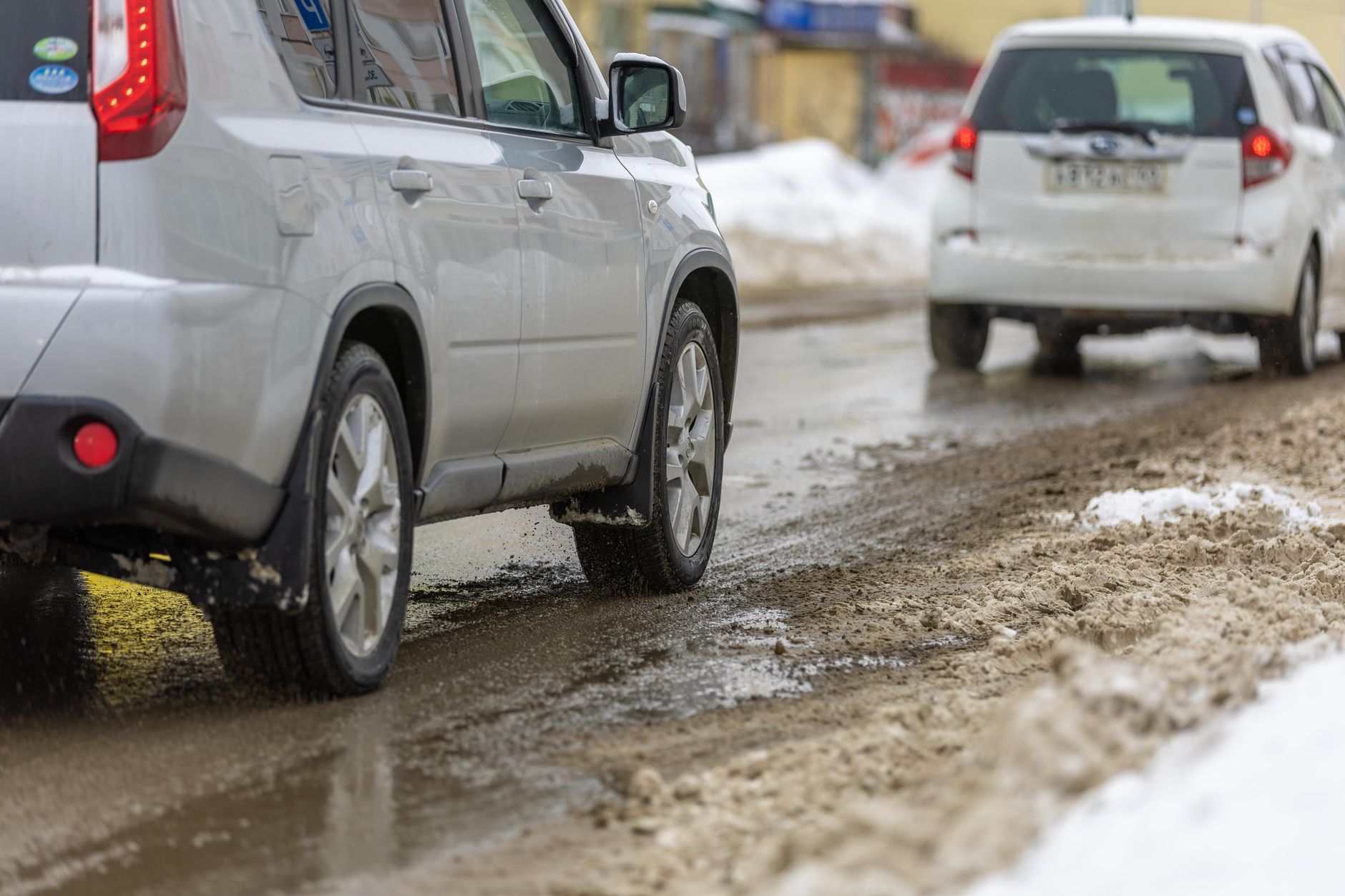
Winter is coming fast, and if you’re planning a mountain road trip or ski getaway this season, there’s one critical detail that could make or break your journey: the rental car snow chains requirement. With early snowfall already hitting the Cascades and Rockies this October, and climate patterns suggesting another unpredictable winter ahead, understanding when, where, and how to use snow chains on a rental vehicle isn’t just smart—it’s often legally mandatory.
Here’s the reality that catches thousands of travelers off guard every year: most rental car companies don’t automatically provide snow chains, many prohibit their use entirely due to potential vehicle damage, and yet numerous mountain passes and highways across the western United States require them during winter storms. This creates a frustrating catch-22 that can leave you stranded at a checkpoint, facing fines up to $500, or worse—sliding off an icy mountain road.
Understanding the Rental Car Snow Chains Requirement by Region
The rental car snow chains requirement varies dramatically depending on where you’re driving. Unlike some winter driving regulations that are merely suggestions, chain laws are strictly enforced in several states, with checkpoints that will turn you around or ticket you if you’re not compliant.
California operates some of the most rigorous chain control zones in the nation. During winter storms, the California Department of Transportation (Caltrans) implements three levels of chain requirements on mountain passes like Donner Summit on I-80 and the routes to Lake Tahoe, Big Bear, and Mammoth Mountain. At R-1 and R-2 levels, vehicles must have chains on their tires unless they’re four-wheel-drive with snow tires. At R-3, all vehicles must chain up—no exceptions. Fines start at $250 for non-compliance.
Colorado updated its traction laws in recent years, and they’re now among the strictest. On I-70 through the Eisenhower Tunnel corridor—the main route to Vail, Breckenridge, and other ski resorts—passenger vehicles must have either snow tires, all-wheel drive with adequate tires, or chains during active traction law implementation. The Colorado State Patrol actively enforces this, and fines can reach $650 if you cause a road closure.
Oregon and Washington require chains on specific mountain passes when signs are posted. The Snoqualmie Pass on I-90 east of Seattle and the Santiam Pass in Oregon regularly implement chain requirements during winter weather.
Nevada, Utah, and Idaho have similar requirements for mountain routes, particularly around ski areas and high-elevation highways.
The critical point: these requirements apply to rental cars just as they do to personal vehicles. The law doesn’t care whose name is on the title.
The Rental Company Paradox: Required by Law, Prohibited by Contract
Here’s where things get genuinely problematic for winter travelers. While state laws may require you to use chains, most major rental car companies explicitly prohibit them in their rental agreements.
Enterprise, Hertz, Avis, Budget, and National all have policies that either forbid chains entirely or hold you financially responsible for any damage they cause. The reasoning is straightforward: improperly installed chains can damage wheel wells, brake lines, fenders, and suspension components. Repairs can easily run $2,000 to $5,000.
This creates a genuine dilemma. You need chains to legally traverse certain routes, but using them might violate your rental agreement and leave you liable for damages. Some travelers have reported being charged for damage they claim was pre-existing, simply because the rental company discovered chains had been used.
The practical solutions:
-
Rent from companies that explicitly allow chains: Some regional rental companies in mountain towns—particularly those near ski resorts—permit and even provide chains. Always get this permission in writing.
-
Choose an all-wheel-drive or four-wheel-drive vehicle: In many chain control situations, AWD/4WD vehicles with proper tires are exempt from chain requirements. This is often the cleanest solution, though it costs more upfront.
-
Rent snow tires if available: In some markets, particularly in Canada and northern states, rental companies offer vehicles equipped with winter tires. These often satisfy traction requirements without chains.
-
Use cable chains or tire socks: These alternatives cause less damage than traditional link chains and are sometimes viewed more favorably by rental companies. Products like AutoSock or Thule tire chains are gentler on vehicles.
How to Navigate Chain Requirements Without Violating Your Rental Agreement
Successfully managing the rental car snow chains requirement while protecting yourself from damage claims requires preparation and documentation.
Before you book:
Call the specific rental location—not just the national reservation line—and ask directly about their chain policy. Get the name of the person you speak with and ask them to email you written confirmation if they say chains are permitted. This documentation is gold if a dispute arises later.
At pickup:
Inspect the vehicle thoroughly and photograph any existing damage to wheels, wheel wells, and undercarriage. Take timestamped photos from multiple angles. If you plan to use chains, mention this to the agent and note their response. Some travelers even record these conversations (where legally permitted).
If you must use chains:
-
Buy quality chains that fit properly: Ill-fitting chains cause most damage. Use the vehicle’s tire size (found on the driver-side door jamb) to purchase the correct size. Expect to pay $50 to $150 for decent chains.
-
Practice installation before you need them: Trying to figure out chain installation for the first time on a snowy mountain pass in freezing temperatures is miserable and dangerous. Practice in your driveway first.
-
Install them correctly: Chains go on the drive wheels (front for front-wheel drive, rear for rear-wheel drive, all four for AWD in severe conditions). They should be snug but not overtightened. Drive 20-30 feet after installation, then re-tighten.
-
Drive slowly: Never exceed 30 mph with chains installed. Slower is better. Chains are for getting through required zones, not for cruising.
-
Remove them promptly: Once you’re past the chain control area and onto clear pavement, remove them immediately. Driving on bare pavement with chains destroys both the chains and potentially the vehicle.
Alternative: Chain installation services: In California and Colorado, you’ll often find chain installers at the base of mountain passes during storms. For $30 to $50, they’ll install your chains properly. This small investment can prevent thousands in damage claims.
Real-World Scenarios and Smart Alternatives
Let me share what actually works based on current conditions and traveler reports from this season.
Scenario 1: Flying into Denver for a Breckenridge ski trip
The I-70 corridor is notorious for traction law enforcement. Your best bet: rent an AWD SUV from the start. Yes, it costs more—typically $30 to $60 more per day than a standard sedan—but it’s cheaper than the risk of damage claims or the cost of chains plus installation help. Book early, as AWD vehicles sell out quickly during ski season.
Scenario 2: Driving from San Francisco to Lake Tahoe
This route crosses Donner Summit, where chain controls are frequent. Consider renting from a location in Sacramento or Reno rather than San Francisco. These locations are more likely to have staff familiar with winter driving needs and may offer vehicles better suited for mountain conditions. Some locations even rent chains as an add-on, though this is becoming rare.
Scenario 3: You’re already at a chain checkpoint in a rental that prohibits chains
Don’t risk it. Turn around, find the nearest town, and either wait out the storm, rent a different vehicle, or find alternative transportation like a shuttle. Many ski resorts offer shuttle services from nearby towns specifically for this reason.
The shuttle alternative: Increasingly, savvy travelers are skipping the mountain driving entirely. Services like the Colorado Mountain Express, various Tahoe shuttles, and resort-specific transportation eliminate the chain requirement headache completely. For a family of four, shuttle costs often rival the price difference of upgrading to an AWD rental.
Conclusion: Plan Ahead for the Rental Car Snow Chains Requirement
The rental car snow chains requirement represents one of winter travel’s most frustrating contradictions—legally required but contractually prohibited. As we head into what’s forecast to be an active winter season with above-average snowfall in several mountain regions, this issue will affect thousands of travelers.
Your action plan is straightforward: First, research the specific chain laws for your route and destination. Second, contact your rental company directly and get written clarification on their chain policy. Third, strongly consider renting an AWD or 4WD vehicle with all-season or winter tires—it’s the simplest way to satisfy most traction requirements without touching chains. Fourth, if you must use chains, invest in proper-fitting, quality chains, practice installation beforehand, and document everything.
The worst time to learn about chain requirements is when you’re standing at a checkpoint in a blizzard. The second-worst time is when you’re opening a damage claim bill from your rental company. A little preparation now means you’ll spend your winter trip enjoying the mountains instead of fighting with rental agreements or sliding around icy roads.
Stay safe out there, and may your winter adventures be filled with powder, not paperwork.