
Rental Car Pet Policy Fees: The 2026 Guide to Traveling With Your Dog (Without the $400 Surprise)
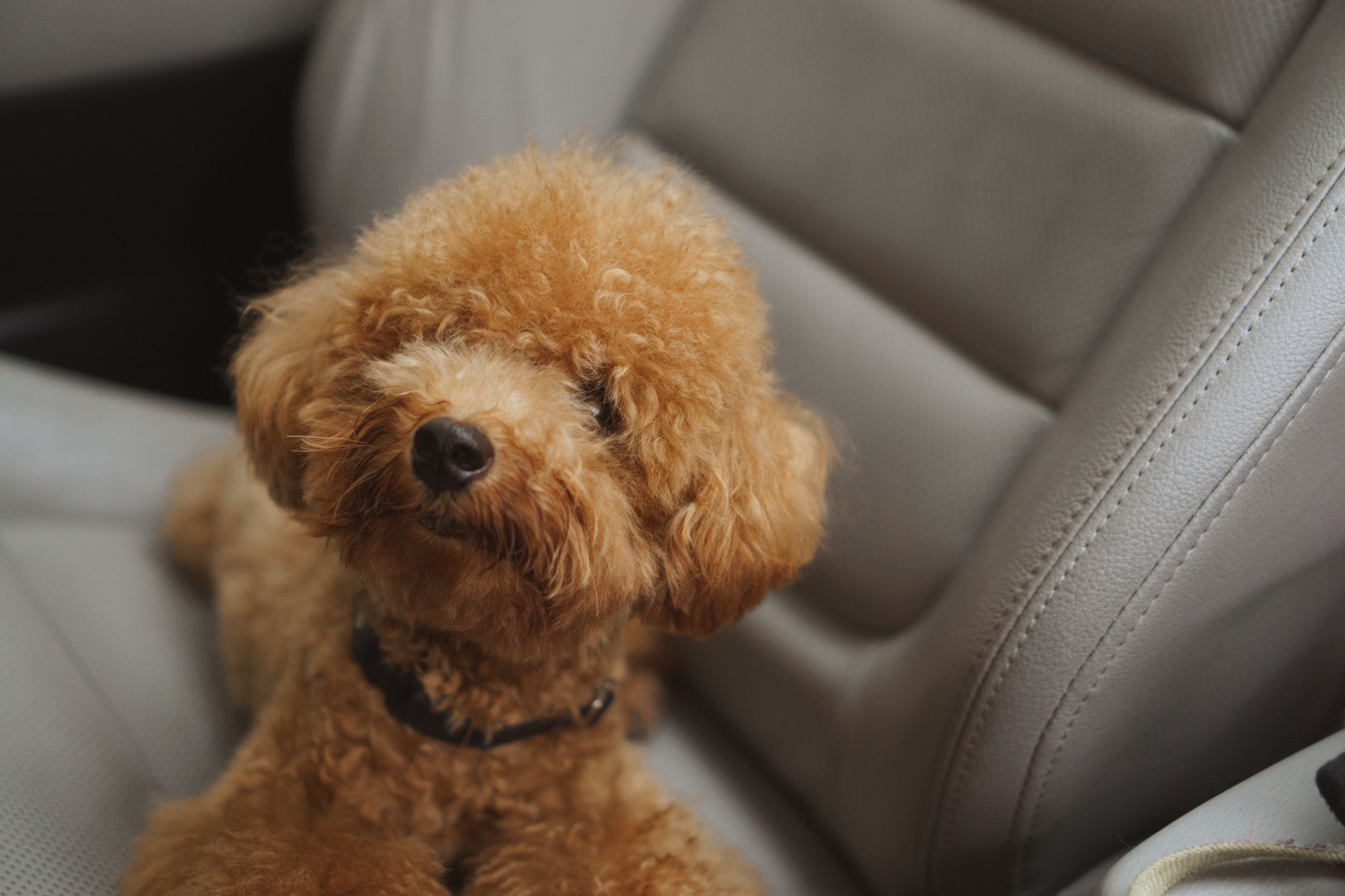
Pet travel is having a moment. Heading into the 2026 holiday booking season, pet-friendly travel searches are up sharply — more Americans than ever are skipping the kennel and loading the dog into the car for Thanksgiving and winter road trips. But here’s what catches travelers off guard at the rental counter: rental car pet policy fees are some of the least transparent charges in the industry, and they’ve quietly gotten stricter.
Unlike airlines, which publish exact pet fees, most rental companies bury their pet rules in fine print — or worse, leave enforcement up to individual location managers. That means one traveler drives cross-country with their golden retriever for free, while another gets hit with a $400 cleaning charge for a few strands of fur on the back seat.
This guide breaks down exactly what the major rental companies charge (and don’t charge) for pets in 2026, how cleaning fees actually get triggered, and the specific steps that keep your deposit safe.
Do Rental Car Companies Actually Charge Pet Fees?
Here’s the surprise: most major rental companies do not charge an upfront pet fee. Hertz, Enterprise, Avis, Budget, National, Alamo, and Dollar all generally allow pets in standard vehicles without a formal surcharge.
So where does the money come in? Cleaning fees. Every major company reserves the right to charge you if the car comes back with excessive pet hair, odors, stains, or damage. And “excessive” is doing a lot of heavy lifting in that sentence.
Typical cleaning fee ranges in 2026:
- Light cleaning (visible pet hair): $50–$125
- Deep cleaning / detailing (embedded hair, odor): $150–$250
- Severe cases (stains, scratches, smoke-level odor removal): $300–$450
The critical detail: these fees are assessed after you return the car, often days later, based on photos taken by location staff. There’s no standardized threshold, which is why disputes are so common — and why documentation matters so much (more on that below).
2026 Pet Policies Compared: Hertz, Enterprise, Avis & More
Policies vary more than you’d expect. Here’s the current landscape:
Hertz — Pets allowed, no upfront fee. Service animals always ride free. Hertz explicitly states that vehicles returned with excessive pet hair or soiling incur cleaning fees. Some Hertz locations have been stricter since 2024, so ask the counter agent to note “pet in vehicle” on your agreement — it establishes that you disclosed it.
Enterprise (and National/Alamo) — Pets allowed in most vehicles; they request pets be crated or the car returned clean. Enterprise is generally considered the most pet-tolerant of the majors, but their franchise locations set their own cleaning-fee enforcement. Expect $50–$200 if they decide the car needs detailing.
Avis and Budget — Same corporate family, same approach: pets allowed, no standard fee, but cleaning charges apply for hair, odor, or mess. Budget’s terms mention fees up to $450 for vehicles requiring “specialized cleaning.”
Sixt — Pets allowed, but Sixt’s European fleet standards mean they tend to enforce cleaning fees more aggressively. If you’re renting a premium BMW or Mercedes from Sixt, assume zero tolerance for fur.
Turo (peer-to-peer) — This is where renters get burned most often. Turo hosts set individual pet rules, and many charge explicit pet fees of $30–$150 per trip. Book a “pet-friendly” listing or message the host first. Returning a non-pet car with fur can trigger a $150 cleaning fee plus a potential negative review that hurts your account.
The takeaway: the fee risk isn’t the rental itself — it’s the condition you return the car in.
How Cleaning Fees Actually Get Triggered (and How to Dispute Them)
Understanding the inspection process is your best defense. When you return a car, staff do a walk-around and increasingly photograph the interior. If a manager flags pet evidence, the fee hits your card with a photo attached to the invoice.
The most common triggers, ranked by frequency:
- Visible pet hair on seats and carpets — even a moderate amount
- Wet dog smell — the #1 reason for “deep cleaning” charges
- Nose prints and drool on windows
- Muddy paw prints on seats or door panels
- Scratches on door sills or dashboard from claws
If you get charged unfairly, dispute it like this:
- Respond within 48 hours of the charge notification. Speed matters.
- Request the timestamped photos and the cleaning invoice from the vendor that did the work. Vague “detailing fee” charges without documentation often get reduced or dropped.
- Provide your own evidence. If you took photos at drop-off showing a clean interior, include them. This is why the next section’s habits matter.
- Escalate through the credit card. If the company won’t budge and the charge is genuinely bogus, a chargeback with your documentation is a legitimate last resort.
7 Ways to Avoid Rental Car Pet Policy Fees Entirely
These are the habits that separate travelers who pay $0 from travelers who pay $250:
- Bring a dedicated seat cover or cargo liner. A $25 hammock-style seat cover from any pet store contains 90% of the problem. For SUVs, a cargo liner keeps hair out of carpet fibers entirely.
- Crate or restrain your pet. Beyond safety (an unrestrained 60-pound dog becomes a projectile in a crash), a crate or crash-tested harness keeps fur localized to one washable area.
- Do a 10-minute cleanup before return. A lint roller, a damp microfiber cloth for nose prints, and shaking out the seat cover handles most evidence. Gas station vacuums ($2–$3) handle the rest.
- Air the car out. Drive the last 30 minutes with windows cracked. Wet-dog smell is what converts a $0 return into a $200 “odor remediation” fee.
- Photograph everything at pickup AND drop-off. Timestamped photos of the interior — seats, floors, cargo area — are your insurance policy against both pre-existing damage claims and inflated cleaning fees.
- Tell the counter agent you’re traveling with a pet. Disclosure protects you. It proves the company accepted a pet in the vehicle, and it prevents any claim that you violated the agreement.
- Choose the right vehicle class. An SUV with a flat cargo area is easier to clean than a sedan with cloth seats. Some renters specifically book vehicles with leather or vinyl interiors — fur wipes off instead of embedding.
Service Animals vs. Pets: Know the Legal Difference
One important carve-out: legitimate service animals are not pets under the ADA, and rental companies cannot charge cleaning fees simply because a service animal was present. They can still charge for actual damage, but the presence of the animal itself isn’t billable.
Emotional support animals, however, don’t get this protection — they’re treated as pets under rental agreements. If you’re traveling with an ESA, follow all the standard pet precautions above.
Also worth knowing for international trips: cross-border rentals with pets add another layer. Some countries require pet documentation at borders, and certain rental agreements restrict taking animals across borders at all. Check both the rental terms and the destination’s animal import rules before you book.
The Bottom Line on Rental Car Pet Policy Fees
The good news is that rental car pet policy fees are almost entirely avoidable. No major company charges you upfront for bringing your dog — the money only moves when the car comes back dirty. A $25 seat cover, a $3 vacuum stop, and two minutes of photos at drop-off will protect you from charges that routinely run $150–$400.
As pet travel keeps growing through the 2026 holiday season and beyond, expect rental companies to keep tightening enforcement rather than adding formal pet fees — the post-return cleaning charge is simply more profitable. The travelers who win are the ones who treat the rental like it’s their own car: contain the fur, manage the smell, document everything.
Your dog gets the road trip. You keep your deposit. That’s how it should work.