
Rental Car GPS Rental vs Phone: The 2026 Cost and Convenience Breakdown
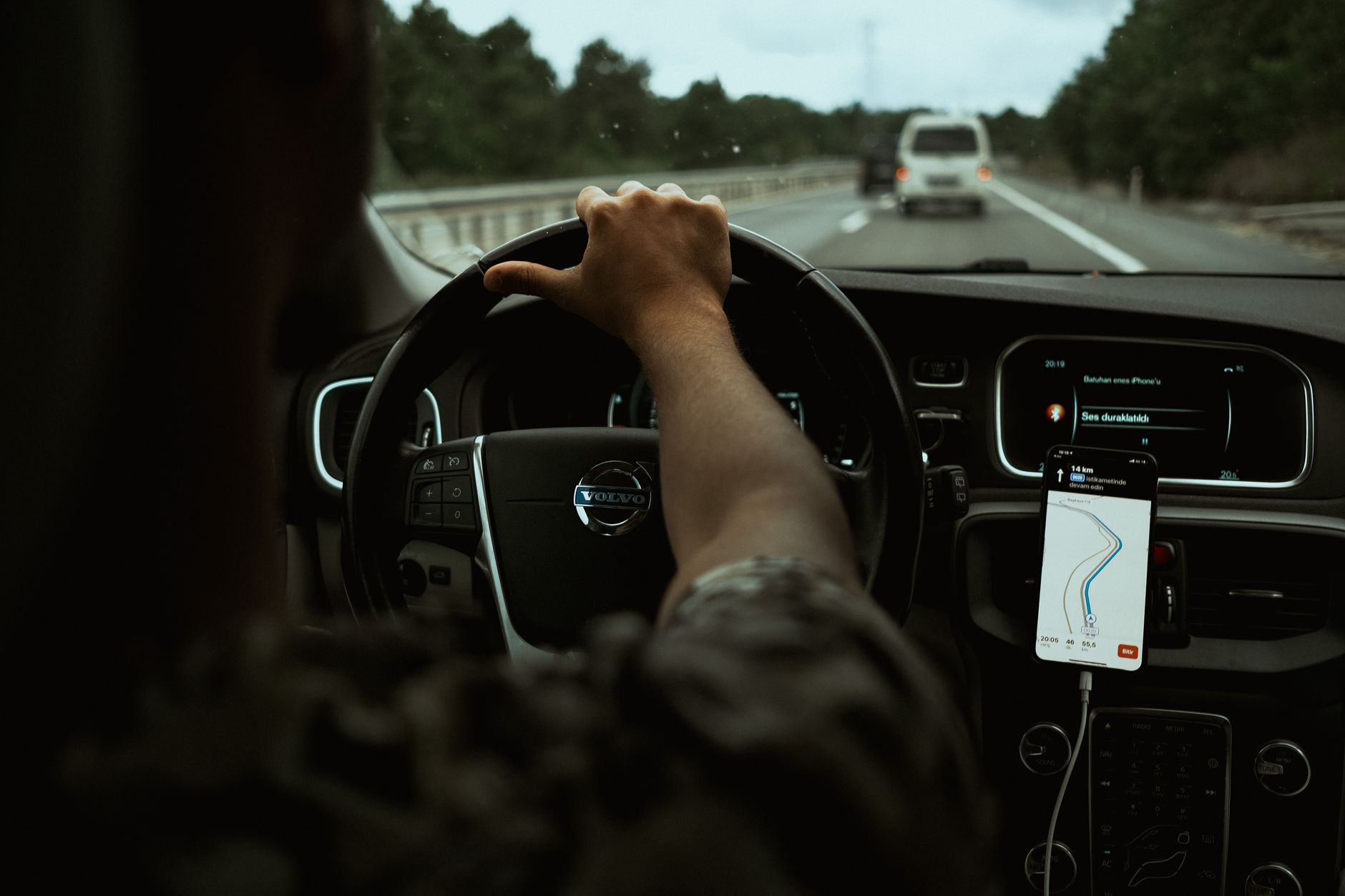
If you have rented a car in the last few months, you have probably noticed something at the counter: the GPS add-on is still there, quietly priced between $10 and $16 per day, even as rental companies roll out fleets with Apple CarPlay and Android Auto built in. With international data plans getting cheaper and offline maps getting smarter, the old rental car GPS rental vs phone debate has shifted dramatically in 2026 — but the answer is not as obvious as you might think.
This guide breaks down the real costs, the hidden gotchas, and the specific situations where each option wins, so you can decide before you are standing at the counter with a line behind you.
The Real Cost of Renting a GPS in 2026
Rental companies have held GPS pricing surprisingly steady, even as the value proposition has weakened. Here is what the major players are charging right now:
- Hertz (NeverLost): around $13.99 per day, capped near $97 per rental
- Avis/Budget: roughly $12.95 to $16.95 per day depending on location
- Enterprise/National: about $12.99 per day
- Sixt (Europe): €9 to €13 per day, often bundled into premium packages
On a 7-day rental, you are looking at $85 to $110 for a device that runs the same mapping software your phone already has. That is more than many travelers pay for an entire week of eSIM data.
There is also a quieter trend worth knowing: several budget brands in Europe and Australia now charge a “navigation guarantee” fee baked into mid-tier packages, meaning you may be paying for GPS without realizing it. Always check the line items before signing.
Why Your Phone Wins for Most Travelers
For roughly 80% of rental scenarios, your smartphone is the better navigation tool. Here is why:
Real-time traffic is genuinely better. Google Maps and Waze pull live data from millions of drivers. Rental GPS units typically update traffic every few minutes over slower connections, and many units in circulation are still running 2023-era map databases.
CarPlay and Android Auto have gone mainstream. In 2026, an estimated 75%+ of rental fleets in the US include smartphone mirroring. Plug in your cable (or connect wirelessly), and your phone’s maps appear on the dash screen — giving you the big-display experience without the rental fee.
Offline maps eliminate the data anxiety. Google Maps lets you download entire regions — all of Portugal, for example, takes about 400MB. Apple Maps added full offline support in iOS 17, and it has matured nicely. Download your destination over hotel Wi-Fi before you pick up the car, and you will navigate for days without touching mobile data.
eSIMs killed the roaming excuse. A 10GB European eSIM now costs $15 to $25 through providers like Airalo or Nomad. That is less than two days of GPS rental fees, and it covers your entire trip — navigation, restaurant searches, and translation apps included.
When Renting the GPS Actually Makes Sense
The phone is not always the winner. There are four scenarios where the rental GPS earns its fee:
1. Remote driving with zero coverage. If your route crosses genuinely dead zones — think the Scottish Highlands, rural Iceland, Australia’s Outback, or stretches of the American Southwest — a dedicated GPS with satellite-based positioning does not care about cell towers. Yes, offline phone maps work too, but only if you remembered to download them, and they cannot help you search for an unplanned gas station in a dead zone.
2. International travel without a data plan. If you are landing in a country where your carrier charges $12 per day for roaming and you do not want to fuss with an eSIM, the GPS rental can be cheaper than a week of roaming charges. Run the math for your specific carrier before assuming.
3. Keeping your phone free. On long driving days, navigation destroys battery life. If you are traveling with kids who need the phone for entertainment, or you need your device available for work calls, a dedicated unit removes the conflict.
4. Older rental cars abroad. Outside North America, especially with budget fleets in Eastern Europe, Southeast Asia, and Latin America, CarPlay is far from guaranteed. If you are renting a base-model compact in Albania, assume you will be navigating from a phone mount — or rent the GPS.
The Hidden Costs Nobody Mentions
Whichever direction you go, watch for these gotchas:
- Phone mounts are not included. Most rental cars do not have a usable phone mount, and suction-cupping your own to a rental windshield can technically violate your agreement in some jurisdictions. A $15 vent-clip mount that travels with you solves this.
- GPS units get stolen. Leave a rental GPS visible in the car and you may be liable for a $200 to $300 replacement fee on top of a broken window claim. Take it with you or hide it completely.
- Data-free is not worry-free. Offline maps do not show live traffic, road closures, or speed camera alerts. In countries like France and Germany where speed enforcement is aggressive, that live data has real value.
- Dash screen mirroring can fail. Some rental cars have CarPlay but with finicky USB ports or disabled wireless pairing. Always carry a backup plan — even if it is just knowing how to prop your phone safely.
The Smart Hybrid Approach
The savviest road trippers in 2026 use a layered strategy that costs almost nothing:
- Download offline maps for your entire route before departure (free)
- Buy a small eSIM data package as your primary connection ($15 to $25)
- Bring your own vent-clip phone mount ($12 to $18, reusable forever)
- Test CarPlay within the first five minutes of pickup, before you leave the lot — if it does not connect, ask for a different vehicle while swapping is still easy
- Keep a car charger and cable in your day bag, not your checked luggage
Total investment: under $50, most of it reusable on every future trip. Compare that to $100+ per rental for the GPS add-on, and the math speaks for itself over even two or three trips a year.
The Bottom Line on Rental Car GPS Rental vs Phone
For the vast majority of travelers in 2026, the rental car GPS rental vs phone question has a clear answer: your phone wins on cost, accuracy, and convenience — provided you spend ten minutes preparing before your trip. Download offline maps, sort out an eSIM or confirm your roaming plan, and pack a cheap mount.
Rent the GPS only when you are heading into genuine cellular dead zones, facing brutal roaming rates with no eSIM option, or driving an older fleet vehicle abroad where your phone will be fighting for battery and mounting space all day.
The one thing you should never do is decide at the counter, jet-lagged and rushed, when a friendly agent asks if you want to “add navigation for just $13 a day.” That decision, made in advance with real numbers, is one of the easiest ways to keep $100 in your pocket on every single rental.