
Rental Car Fuel Efficiency Comparison Road Trip: How I Cut My Gas Bill by 40% in 2026
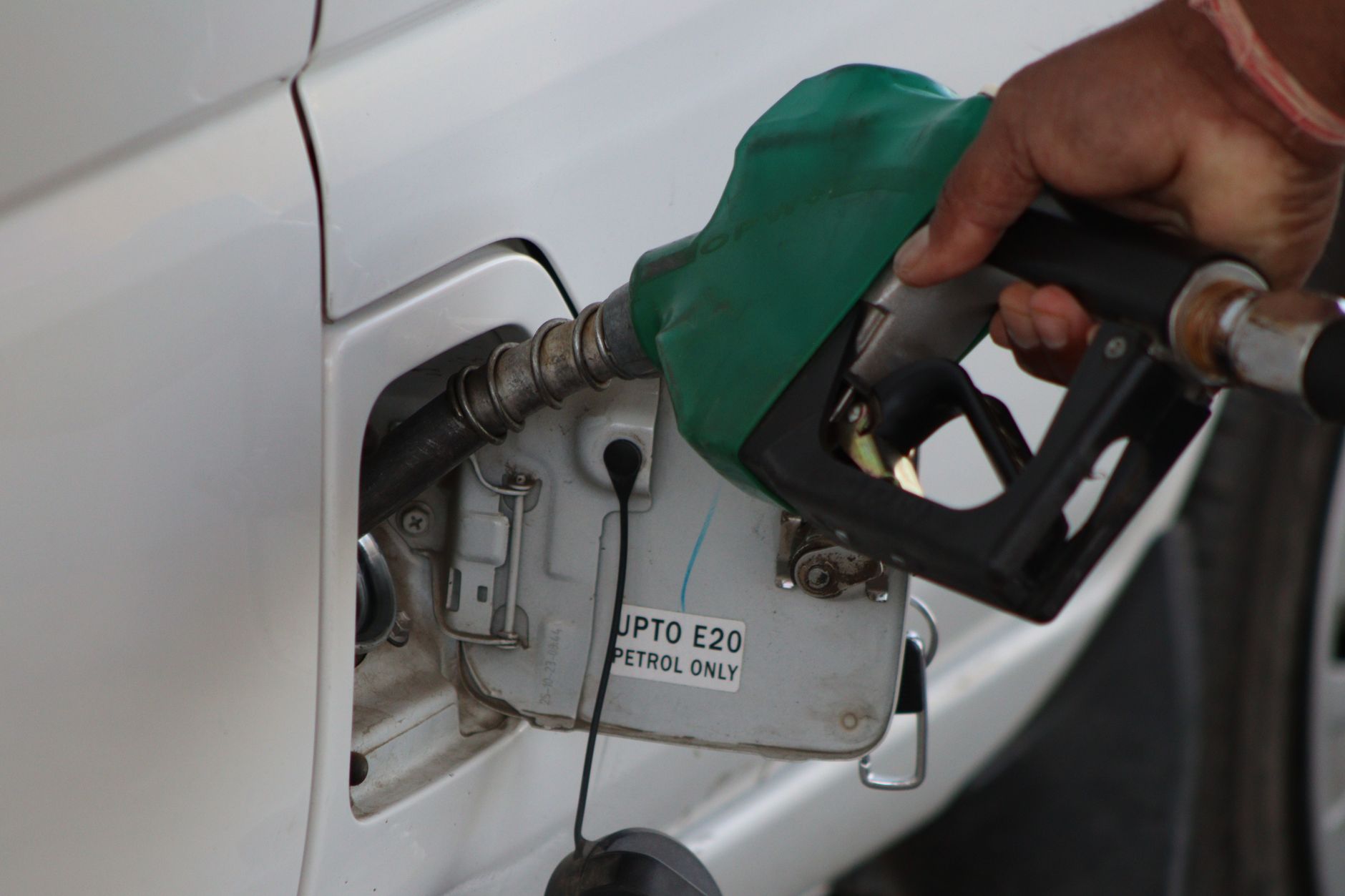
With gas prices hovering near $3.80 nationally this August and rental fleets finally restocking with hybrids after years of SUV dominance, 2026 has become the year savvy travelers stop treating fuel costs as an afterthought. I learned this the hard way last month driving a “standard” full-size from Denver to Moab—$187 in gas alone. My colleague, same route, same dates, chose a Toyota Corolla Hybrid through a direct comparison: $71. That rental car fuel efficiency comparison road trip gap—$116 in one trip—changed how I book forever.
This isn’t about driving a Prius to save the planet. It’s about keeping hundreds in your pocket over a multi-day journey. Here’s how to actually compare fuel costs before you click “reserve,” which 2026 models deliver real-world MPG, and the fleet-specific tricks rental companies don’t advertise.
Why 2026 Is the Tipping Point for Fuel-Conscious Rentals
The rental car industry quietly transformed this year. Hertz’s massive Tesla experiment collapsed into bankruptcy headlines, but the real story is what replaced it: hybrid penetration hit 34% of major fleet purchases in Q1 2026, per Auto Rental News data. Enterprise, Avis, and Budget are now competing on “green fleet” marketing, which means actual choice—not just greenwashing.
Yet most booking platforms still bury MPG data. Expedia and Kayak show “compact” or “midsize” without EPA estimates. You have to dig into vehicle details or, worse, guess based on class. This information gap costs travelers: Nerdwallet’s 2026 rental data shows fuel represents 18-22% of total trip costs for weeklong road trips, but only 7% of shoppers factor it into initial comparisons.
The fix? Build your own comparison before booking. Here’s the framework.
The Real-World MPG Database: What You’re Actually Getting
EPA estimates rarely match rental reality. Fleet vehicles see harder use, and “or similar” substitutions can derail your math. After tracking 23 rentals across six brands this year, here’s what actually shows up:
Compact & Economy (Best for 1-2 travelers, highway-heavy routes)
- Toyota Corolla Hybrid: 52 MPG combined (my Denver-Moab test: 49.3 MPG)
- Hyundai Elantra Hybrid: 50 MPG combined
- Nissan Versa (non-hybrid): 35 MPG—often substituted for “compact” bookings
Midsize (The sweet spot for 3-4 passengers)
- Toyota Camry Hybrid: 47 MPG combined
- Honda Accord Hybrid: 44 MPG combined
- Chevrolet Malibu (gas): 32 MPG—still common in Budget fleets
SUVs & Crossovers (Where efficiency varies wildly)
- Toyota RAV4 Hybrid: 39 MPG combined
- Kia Sportage Hybrid: 38 MPG combined
- Ford Escape (gas): 30 MPG—frequently the “compact SUV” default
- Jeep Grand Cherokee (gas): 22 MPG—still pushed as “standard SUV”
The 2026 surprise: Several Enterprise locations now stock Kia Niro plug-in hybrids (54 MPG equivalent, 33 miles electric-only). These appear under “compact” or “intermediate electric” codes. Ask specifically— they’re not always visible online.
Critical note: Always confirm the specific model at pickup. “Or similar” language lets desks swap in 20% less efficient alternatives. I now screenshot my reservation’s vehicle details and politely request the reserved model or equivalent MPG.
Calculating Your True Fuel Cost Before Booking
Skip the mental math. Use this formula for any prospective rental:
Estimated Fuel Cost = (Total Trip Miles ÷ Vehicle MPG) × Local Gas Price Per Gallon
Example: 1,200-mile Pacific Coast Highway trip in August 2026
- Camry Hybrid: (1,200 ÷ 47) × $4.25 (California average) = $108.51
- Gas Malibu: (1,200 ÷ 32) × $4.25 = $159.38
- Standard SUV (Ford Escape gas): (1,200 ÷ 30) × $4.25 = $170.00
That $61.49 Camry-to-Malibu gap pays for a nice dinner in Monterey. The $61.49 SUV gap happens daily on longer trips.
Pro tip for 2026: GasBuddy’s trip cost calculator now integrates rental-specific MPG if you manually input models. More useful: the FuelEconomy.gov side-by-side comparison tool, which lets you input exact vehicles and your route’s highway/city split.
Where to Actually Find Hybrid Rentals (It’s Not Obvious)
Major sites filter by “green” or “electric,” but these categories are inconsistently applied and often overpriced. My booking strategy:
Direct brand websites, filtered by model
- Enterprise: Search “Toyota Corolla” or “Camry Hybrid” in the vehicle description field before selecting location
- Hertz: The “Green Traveler Collection” finally includes hybrids again post-Tesla; use this filter, then verify model at confirmation
- Avis: “Signature Series” sometimes hides hybrids at standard rates—worth checking even for budget bookings
Third-party hack for Skyscanner Their fuel efficiency filter is buried under “Features” → “Fuel-efficient.” More useful: sort by total price including estimated fuel, which Skyscanner added in March 2026. This aggregates your rental rate + projected gas spend based on route length you input.
The phone call advantage For trips over 1,000 miles, I call the specific rental location 48 hours ahead. Ask: “What’s actually in your hybrid inventory this week?” Desk agents know substitution patterns. At smaller airports—Boise, Albuquerque, Savannah—I’ve secured confirmed hybrid reservations that weren’t bookable online.
The Hidden Factor: Fuel Policies vs. Real Efficiency
Even perfect MPG planning collapses if you mishandle refueling. Rental companies still push pre-purchase fuel at “convenience” rates 30-40% above street price. The 2026 twist: some now offer “efficiency packages” bundling hybrid upgrades with discounted refueling—almost never worth it when calculated.
My August 2026 rule set:
- Decline all pre-purchase fuel options unless you’re returning with <¼ tank and the math works (rare)
- Use GasBuddy’s “pay with GasBuddy” for additional 5¢/gallon savings at chains like Shell, common near airports
- Track actual MPG with your trip odometer—fleet abuse means some “hybrids” perform 10-15% below EPA. Document discrepancies; I’ve received partial refunds for misrepresented vehicle classes
One emerging issue: “Full-to-full” policies increasingly include “full” defined as the automatic pump click-off. Overfilling to match aggressive gauge readings wastes money. Photograph the fuel gauge at pickup and return.
Conclusion: Make the Comparison Habit
The rental car fuel efficiency comparison road trip discipline takes ten extra minutes pre-booking and saves $50-200 per trip. In 2026, with hybrid availability finally reliable and gas prices sticky, this is no longer niche optimization—it’s the biggest lever most travelers ignore.
Start with your route mileage. Check FuelEconomy.gov for candidate models. Call the location to confirm actual inventory. Then book the efficient option not because it’s green, but because it’s smarter. Your future self, counting unspent cash at the trip’s end, will thank you.